

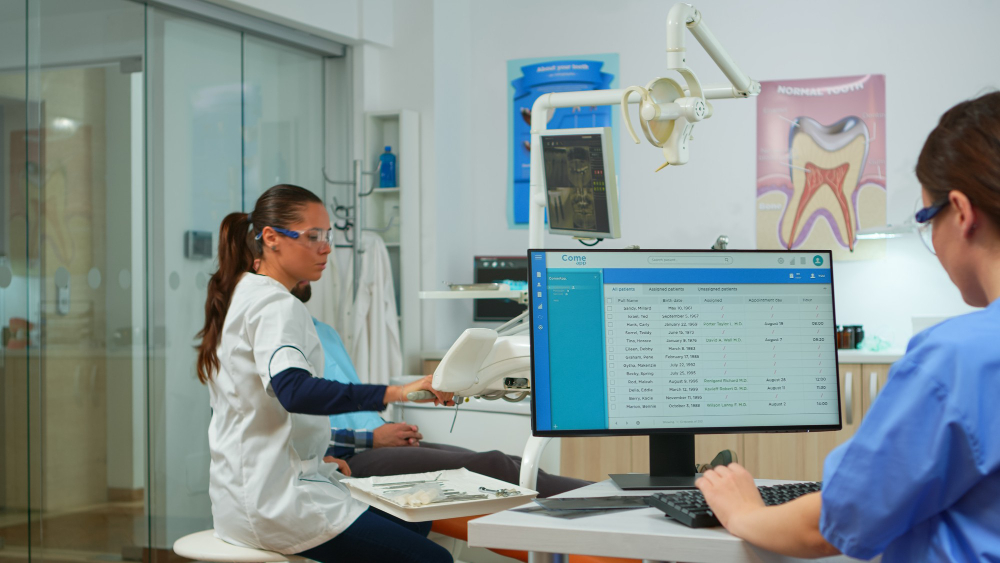

Emergency dentist prices in Melbourne after hours typically start from around $150 to $250 for an emergency consultation, while the total cost depends on the treatment required. Procedures such as tooth extractions, fillings, root canal treatment or repairing broken teeth are charged separately. Some emergency dental clinics charge the same fees during evenings and weekends, while others apply after-hours surcharges.
What Is Considered a Dental Emergency?
A dental emergency is any dental problem that requires immediate treatment to relieve severe pain, stop bleeding, control an infection or save a tooth.
Common dental emergencies include:
- Severe toothache
- Broken or chipped teeth
- Knocked-out teeth
- Dental abscess
- Swollen gums or face
- Lost fillings or crowns causing severe pain
- Broken dentures affecting eating or speaking
- Bleeding following dental trauma
If you experience swelling that affects breathing or swallowing, seek immediate medical attention.
How Much Does an Emergency Dentist Cost After Hours?
An emergency dentist after hours generally costs more than a routine dental appointment because urgent appointments often require immediate availability outside normal business hours.
Typical Melbourne price ranges include:
| Emergency Treatment | Typical Cost (2026) |
| Emergency consultation | $150–$250 |
| Emergency examination with X-rays | $180–$350 |
| Simple filling | $180–$450 |
| Emergency tooth extraction | $250–$600 |
| Surgical extraction | $400–$900+ |
| Root canal treatment | $900–$2,500 |
| Temporary filling | $150–$300 |
| Temporary crown repair | $150–$400 |
| Dental crown (if required later) | $1,400–$2,200 |
These prices are general estimates only. Your final cost depends on the treatment required, the complexity of the problem and the clinic you attend.
Do Emergency Dentists Charge More After Hours?
Some emergency dentists charge more after hours, while others maintain the same treatment fees regardless of when you attend.
Many clinics operate during evenings, weekends and public holidays specifically for emergency care. Some advertise no additional after-hours consultation fee, while others apply a surcharge outside normal business hours. Always ask for an estimate before treatment begins if possible.
What Factors Affect the Cost?
Emergency dental costs vary because every dental emergency is different.
Several factors influence the final fee.
Type of Treatment
The treatment required has the biggest impact on cost.
A simple filling is generally much less expensive than root canal treatment, a surgical extraction or replacing a damaged crown.
Severity of the Problem
More advanced dental problems usually require more time and treatment.
For example, a small broken filling may be repaired quickly, while a dental abscess may require drainage, medication and several follow-up appointments.
Time of the Appointment
Appointments outside normal business hours may attract higher fees at some clinics.
Evening, weekend and public holiday appointments require additional staffing and availability, which can affect pricing depending on the clinic.
X-Rays and Additional Procedures
Many emergency appointments require diagnostic imaging before treatment.
Additional services may include:
- Dental X-rays
- Panoramic X-rays
- Temporary restorations
- Prescription medication
- Follow-up appointments
These services are usually charged separately if required.
Does Private Health Insurance Cover Emergency Dental Treatment?
Private health insurance may help reduce the cost of emergency dental treatment if your policy includes dental extras cover.
The amount you can claim depends on:
- Your level of cover
- Annual benefit limits
- Waiting periods
- The type of treatment performed
- Your health fund
Major procedures such as crowns and root canal treatment often have different benefit limits from general dental services.
Can Medicare Cover Emergency Dental Treatment?
Medicare does not usually cover emergency dental treatment provided by private dentists.
However, eligible patients may receive treatment through Victoria’s public dental system or other government-funded programs, although availability depends on eligibility and the urgency of the condition.
Can You Wait Until the Next Day?
Some dental problems can wait until normal business hours, while others require immediate attention.
You should seek emergency dental care as soon as possible if you have:
- Severe or constant tooth pain
- Facial swelling
- A knocked-out tooth
- Uncontrolled bleeding
- Signs of a dental abscess
- Trauma affecting multiple teeth
Waiting too long may reduce the chance of saving a tooth and increase the complexity of treatment.
What Should You Do Before Seeing an Emergency Dentist?
Simple first aid may help reduce pain while waiting for your appointment.
Depending on your situation, you can:
- Rinse your mouth gently with warm salt water.
- Apply a cold pack to reduce swelling.
- Take pain relief as directed if appropriate.
- Avoid chewing on the affected tooth.
- Keep a knocked-out tooth moist in milk or saliva if possible.
- Contact an emergency dentist as soon as possible.
Avoid placing aspirin directly onto the gums, as this can damage the soft tissues.
How Can You Avoid Emergency Dental Treatment?
Many dental emergencies can be prevented through regular dental care and good oral hygiene.
Helpful ways to reduce your risk include:
- Attend regular dental check-ups.
- Treat small cavities early.
- Wear a mouthguard during contact sports.
- Wear a night guard if you grind your teeth.
- Avoid chewing hard objects such as ice.
- Brush and floss every day.
Preventive care is usually much less expensive than emergency treatment.
Final Thoughts
Emergency dentist prices in Melbourne after hours vary depending on the treatment you need, but most patients should expect to pay for both the emergency consultation and any treatment performed. While after-hours care may cost more at some clinics, receiving prompt treatment can often prevent more serious dental problems and higher costs later.
If you develop severe tooth pain, swelling, a broken tooth or another dental emergency, contacting an emergency dentist as soon as possible gives you the best chance of relieving pain, protecting your teeth and avoiding more extensive treatment.